
Home » Tips For Boosting Productivity in Aviation
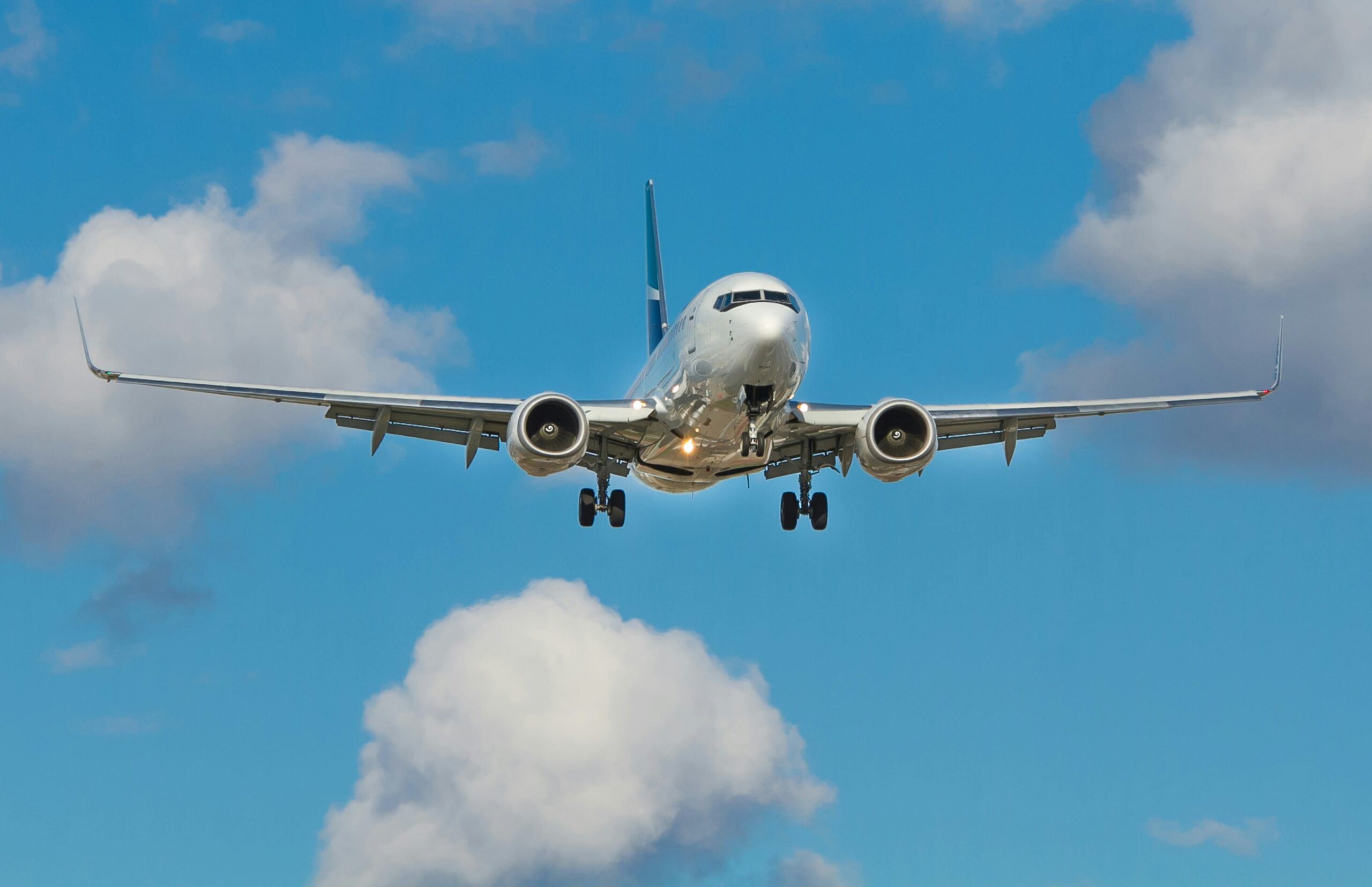
Whether you’re flying in the skies, working in the airport, or on the tarmac, you know the importance of boosting productivity in aviation. At Murray Uniforms, we understand that implementing ideas that make a difference can be a challenge, whether it’s communication, time management, navigating compliance, or adapting to change.
Working smarter complements hard work. In this blog we’ll share our top 5 tips on how to boost employee productivity in aviation to help you maximise your revenue whilst minimising costs.
Much like how employee productivity is measured in retail, KPIs (key performance indicators) assess employee productivity. These figures help management determine if colleagues are meeting expectations.
Some KPIs for check-in desk agents include:
• Passenger satisfaction score, based on post-flight surveys or Net Promoter Score (NPS)
• First contact resolution rate, percentage of passenger issues resolved without escalating to a supervisor
• Check-in time per passenger and passenger throughput
• Upselling success rates, such as upgrading passengers to first or business class or selling airport lounge passes
Some KPIs for flight attendants include:
• Passenger satisfaction score
• Cabin cleanliness & presentation ratings, based on passenger feedback
• Safety procedure adherence
• Training completion rates
Some KPIs for pilots include:
• Adherence to Standard Operating Procedures (SOPs)
• Incident/accident rates
• Regulatory compliance rate
• On-time rate
• Training completion rate
Some KPIs for ground crew include:
• Safety incident rate
• Turnaround time performance
• On-time baggage loading and unloading and handling accuracy
• Aircraft servicing time
• Flights serviced per shift and tasks completed per hour
Technology has been revolutionary in so many industries, speeding up processes that used to take much longer. Productivity in aviation has increased thanks to technology. According to a McKinsey report, airlines have gone from generating $0.90 for every $1 invested in 2000 to generating $1.23 per $1 invested in 2024. With technology, you can more easily analyse data, find patterns, and know your customer base inside out.
Implementing mobile check-in through smartphones and kiosks with integrated facial recognition and biometric technology can significantly reduce check-in times, allowing desk agents to focus on assisting passengers with special needs or complex travel requirements more effectively.
Digital boarding passes make boarding a lot simpler and reduce paper waste too, helping your airline reach its ESG goals.
It’s important to have an adequate number of staff working. Being understaffed can lead to slow service and frustration for both employees and passengers. It’s important to fully utilise the analytics as discussed in point one to plan accordingly with work schedules, strategically plan flight routes and resource allocation, and make real-time adjustments as necessary. Analytics can help create rosters that keep employees productive and preserve work-life balance.
Communication is key to fostering teamwork and boosting productivity in aviation because it involves the collaboration of various roles and teams both landside and airside. Technology such as voice recognition systems and flight planning and management apps can help streamline these processes.
Training is key to having long-term, productive airline staff. Onboarding training should explain all the essentials of the job, setting up staff and crew for success, but it shouldn’t end at the initial training stage. With ever-changing technology in our fast-paced world, ongoing skills development is essential for keeping ahead of the competition and providing world-class service. It also can enable staff to transfer to different roles if they wish.
Feedback should be given at regular intervals to ensure staff know their strengths and weaknesses and give passengers the best possible service.
Rewarding colleagues for their hard work can boost morale and encourage staff to be the best they can be. Offering bonuses, extra annual leave, and employee of the month/quarter prizes can help boost productivity across the board for customer-facing staff.
These strategies are great ways of investing in your staff. According to our research report on the impact of uniform on employee wellbeing and productivity, happy employees are 12% more productive.
Collaboration and teamwork extend beyond the airline itself thanks to strategic partnerships. Whether through codeshare agreements that expand route networks and enhance passenger convenience, collaborations with ground services and airport authorities to streamline operations, or loyalty programme partnerships with hotels and car rental companies to drive cross-promotion, these alliances play a vital role in boosting efficiency and delivering a seamless travel experience.
A big part of investing in your staff is through a smart-looking, functional uniform, made for functionality and comfort on the ground or in the air. According to our research report, the two most important roles of a uniform are that it’s comfortable to wear and enables me to do my job. These two factors go hand in hand. If a uniform is uncomfortable, it can be distracting and affect interaction with passengers. If a uniform doesn’t consider functionality, such as having enough adequately sized pockets, it could impact productivity.
With the hustle and bustle of working in an airport, pilot and flight attendant uniforms should be easy to care for, quick to dry and not much ironing needed. Looking polished increases confidence and positively influences customer satisfaction and perceived value of service.
In our research report in collaboration with Coventry University, respondents across a variety of age groups strongly agreed with the notion that a customer will judge the company by their uniform and that if they like their uniform, they will feel more confident with customers. We have found that customer-fronting staff would feel 13% more confident in a well-made, well-fitting uniform that is fit for purpose, and that staff who wear a well-made, well-fitting uniform that enables them to do their job are 22% happier.
Imagine the positive effects it would have on your KPIs and brand equity when employees are happy and confident.
When you work with us to create a bespoke airline uniform that will enable your staff to Work Smarter®, it’s a true partnership. Before we start the design process, we get to know your airline, its staff, and their unique needs. We use data from your employees, staff, and key stakeholders alongside our Science of Uniform® research to craft a uniform that will increase employee productivity and profits.
Our world-class project management results in attentive service and a frictionless process that keeps you in the loop at every step of the journey from initial consultation to design to contract implementation to ongoing service.
Book a consultation with us today to help your airline staff feel smart and Work Smarter®

